
Sign up for our newsletter
Subscribe to our emails
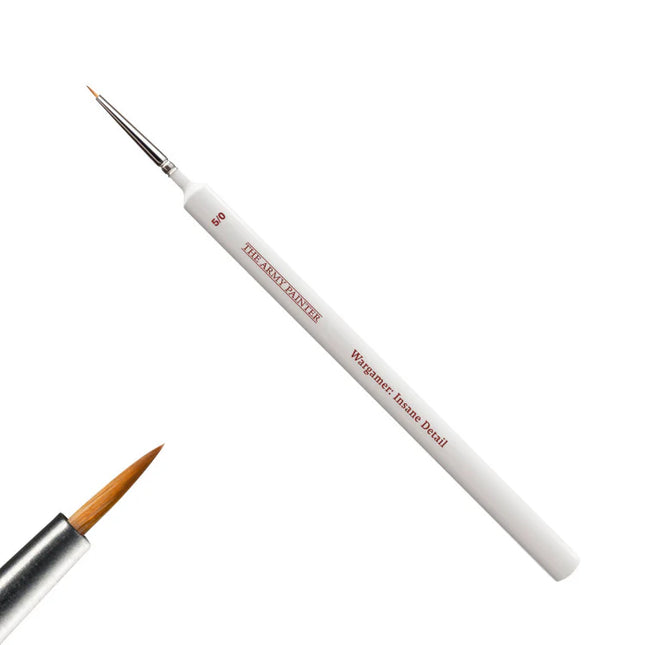
Experience the high-performance Bionic Bristles found only on the Wargamer brushes. This new synthetic brush technology offers unmatched precision and durability, perfect for every painting task. Ideal for hobbyists who demand performance and versatility. Please Note: One Wargamer: Insane Detail brush is supplied.
£9.00 £8.10

A perfect set for beginners and the budget-conscious painter! Three essential and easy-to-use brushes to get you started on your miniature painting journey. Each brush features high-quality synthetic bristles, made to last and perform, along with a comfortable grip. Please Note: One Hobby Starter Brush Set is supplied.
£17.00 £15.30
Citadel Brushes are specially designed to work along side the Citadel Paint System when painting Citadel Miniatures. Each Brush is specialised for to work perfectly along side a particular type of Citadel paint. So whether you are using a Base, Shade, Layer, Dry, Glaze, Technical or even Texture paint you will have a brush perfectly suited for the job. One Citadel Small Drybrush included.
£5.50 £5.00

£2.95 £2.70
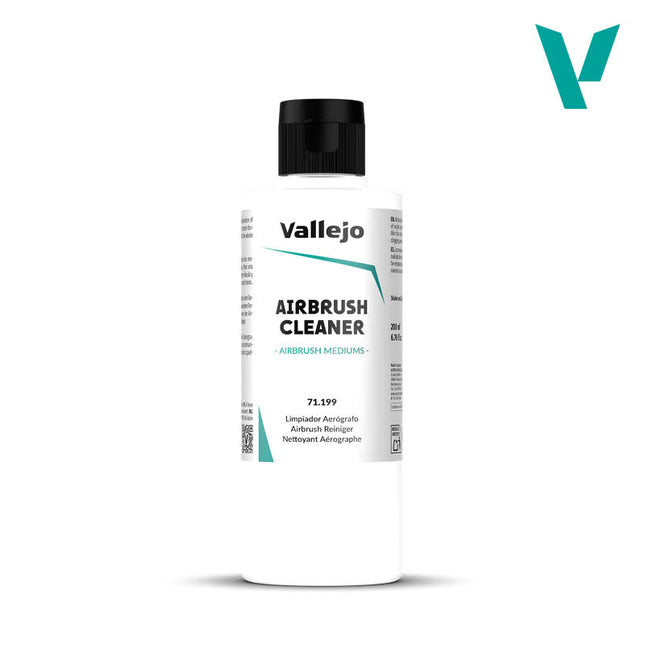
This airbrush cleaner is an indispensable product for cleaning your airbrush between colours. It eliminates all other colours used while also lubricating the interior of the airbrush without damaging the mechanism. This bottle includes 200ml of airbrush cleaner.
£8.75 £7.90
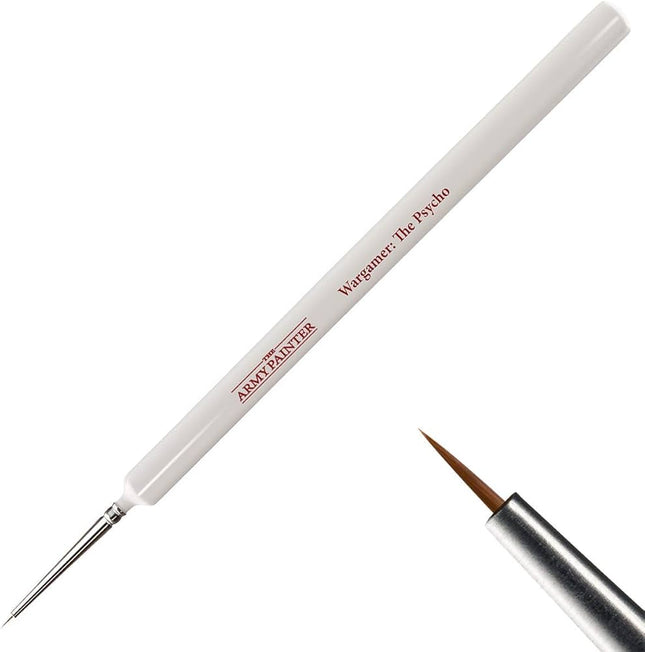
Experience the high-performance Bionic Bristles found only on the Wargamer brushes. This new synthetic brush technology offers unmatched precision and durability, perfect for every painting task. Ideal for hobbyists who demand performance and versatility. Please Note: One Wargamer: The Psycho brush is supplied.
£8.99 £8.10
£4.25 £3.90
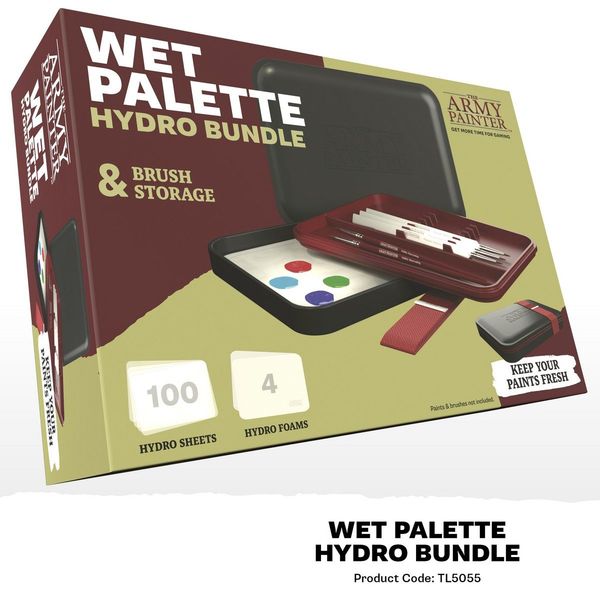
The Wet Palette is a must-have for miniature painters as it keeps your paints hydrated and workable for extended periods of time. This means you can work on your models and miniature figures for longer without having to constantly remix or waste paint. It is also the perfect tool for colour blending and mixing your own colours. Contents: 1x Wet Palette 4x Hydro Foams 100x Hydro Sheets
£32.10 £27.90
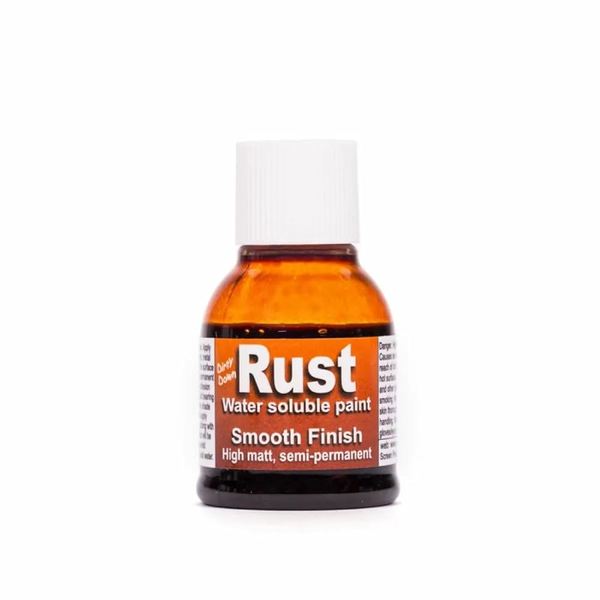
Apply rust paint by brush or airbrush/sprayer. Rust effect paint looks best when applied to rough, textured surfaces. Simulate atmospheric oxidisation of aged metals effortlessly. Water soluble to easily tone back effects for the perfect result. Usage Instructions: The pot and surface should be at room temperature or warmer before use. The rust colour may not appear if the pot and/or the surface are very cold. The mixture will settle on the bottom of the pot. It’s very important to thoroughly shake the pot with the ball bearings rattling before each and every use. Thoroughly stir the mixture and ensure that solids on the bottom of the pot are fully mixed into the liquid. Repeat stirring and shaking until all lumps have gone. It’s much better to shake and stir rust paint when the pot is at room temperature or warmer. If the pot is cold it may not be possible to fully mix any solids into the liquid. Use rust paint straight from the pot. Replace the lid quickly during use to prevent the liquid from evaporating or decant what you need to use for a job into a separate smaller pot/container with a lid. Do not add water into the paint pot – this may prevent the colour from forming. Ensure surfaces are clean, dry and grease free. Test the paint on hidden surfaces before use to ensure compatibility and adhesion. Only apply to non-porous surfaces such as plastic and metal. Do not apply to porous/absorbent surfaces such as bare timber or paper. Rust paint can be applied to painted surfaces, but test first. If the effect does not form, try first sealing the surface with varnish. Rust paint is water soluble and the effects of painting will be lost by washing in water or by getting wet, but there may still be staining. Do not expose rust paint to rain or splashing with water. Rust paint looks best when applied to a rough surface. To fill dents and grooves in surfaces, first cover the surface with rust paint, and then wipe the paint off the raised areas with a damp cloth (at an angle to the grooves), leaving some of the paint trapped. The wetter the cloth, the more paint removed. When fully dry, rust paint can be made more permanent by spraying with fine/mist coats of acrylic varnish/lacquer. Test varnish first because types of varnish change the colour/shade of the paint. When dry, avoid scuffing/scratching the finished paintwork. For the best results it’s best to practise different techniques listed below before final use. To darken the shade apply more coats. Allow each coat to fully dry before applying another. Any number of coats of rust paint can be applied over the top of each other. For a broken, patchy effect apply to small areas/patches at a time and allow to dry – more in some areas, less in others. The shade will vary depending on the quantity applied. A thick coat of paint will dry a darker shade, and a thin coat of paint will dry a lighter shade. Further variations in shade can be created by dabbing a damp or wet brush, cloth or tissue onto the painted surface and then leaving to dry. As the water dries, the dye in the paint separates into shades of light and dark rust. The more water used, the greater the effect. This technique can be used after the paint has dried or while it is still wet. Another option is to simply splash water onto the rust paint and leave to dry – without dabbing. For a very dark shade, decant a small amount into a separate pot and allow the paint to evaporate. The more the paint evaporates, the thicker and darker the paint gets (may not be possible to spray if too thick). Brush Application Dip the brush and immediately apply to the surface. For a patchy effect dab the paint onto a surface and keep dabbing in the same place until the paint dries. Any number of coats can be applied in this way. For a more even effect paint an even coat onto a surface. A different rust effect is obtained depending on whether a soft or stiff brush used to apply the paint. Fine Soft Brush: For very detailed work. Apply a small amount to the brush and apply directly to the surface. Larger Soft Brush: For apply larger amounts to larger areas. For a darker shade apply larger quantities and for lighter shades apply smaller quantities. Stiff Brush: Very light shades can be obtained by dabbing a very small quantity of rust paint onto a surface using a stiff brush. Allow rust paint to dry slightly on the brush for a very light effect, similar to the “dry brushing” painting technique. Always clean the brush in water straight after use. Do not let rust paint fully harden onto brush. If for any reason rust paint has dried onto a brush, soak the brush in methylated spirits to fully clean, (but check first that this will not damage the brush). Cloth/Tissue Application Pour on a cloth or tissue and dab onto a surface and keep dabbing in the same place until the paint dries. For a light shade apply a small amount at a time. For a darker shade apply a larger quantity. Spray Application Spray rust paint onto a surface straight from the pot using an air brush or pressure pot spray gun. Clean air brush immediately after use. Rust Effect is water soluble. Rust Effect can be wiped off surfaces in two ways (even when fully dry): Using a damp cotton bud. Only dampen one end of the cotton bud. Wipe rust paint with the damp end first, and then with the dry end. The wetter the cotton bud, the more rust paint is removed. Using a sheet of kitchen roll (absorbent paper towel). First apply rust paint onto the panels so that they are fully covered, and leave to dry. Flatter one end of a piece of kitchen roll, and dip this end into water. Remove most of the water from the flat end so that it’s only slight damp. This can be done by pushing the flat end against other dry pieces of kitchen roll. Gently press the damp flat end of kitchen roll against the dried rust paint, and twist the kitchen roll. Keep the kitchen roll in one place, do not wipe side to side across the surface. Some rust paint is left on the model and some removed. Some rust paint will have been wetted by the damp kitchen roll and will change shade to look darker, just like old rust. The wetter the rust paint gets, the darker the shade. Practice first to check how damp the kitchen roll should be and how much pressure to apply. Create different shades of rust using water: Apply rust paint to a surface. Apply a small amount of water to the rust paint and either allow to dry on its own, or dry by dabbing with a piece of kitchen roll or tissue. This usually causes the colours to separate and dry different shades and more patchy. Water can be applied to the surface after the rust paint has fully dried or when the rust paint is still wet.
£7.80
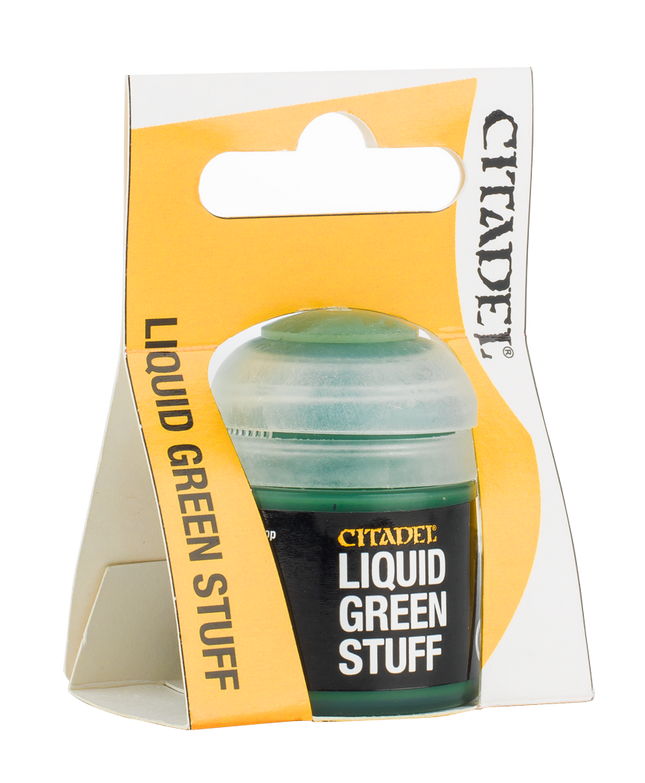
Contains 12ml of Liquid Green Stuff
£4.50 £4.10
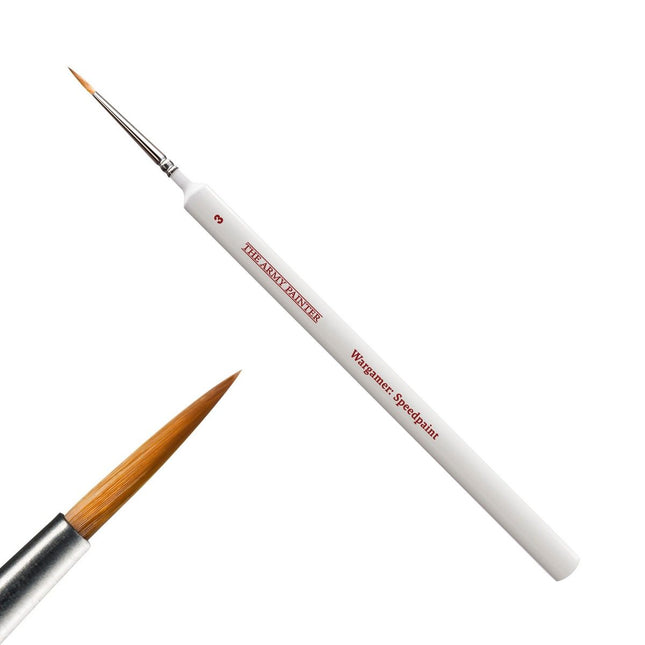
Experience the high-performance Bionic Bristles found only on the Wargamer brushes. This new synthetic brush technology offers unmatched precision and durability, perfect for every painting task. Ideal for hobbyists who demand performance and versatility. Please Note: One Wargamer: Speedpaint brush is supplied.
£10.00 £9.00
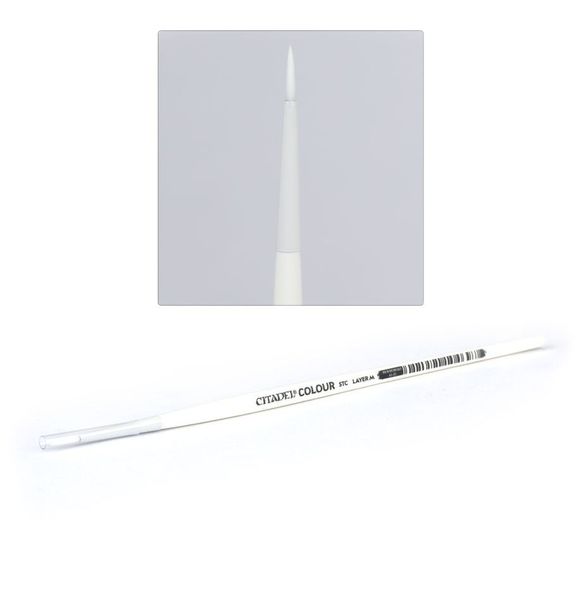
A round brush with a point designed for detailed shading, this brush (M Shade) features a synthetic and sable bristle blend for maximum paint retention, with an optimised bristle length allowing immediate, impressive results. Ergonomically designed Optimised bristle length Synthetic and sable bristle blend
£7.50 £6.80
Subscribe to our emails